
2026-01-19
Discover everything related to sponsorship and explore our comprehensive solutions.
Discover everything related to visa applications and explore our comprehensive solutions.
Discover everything related to pr & citizenships and explore our comprehensive solutions.
Discover everything related to study abroad and explore our comprehensive solutions.

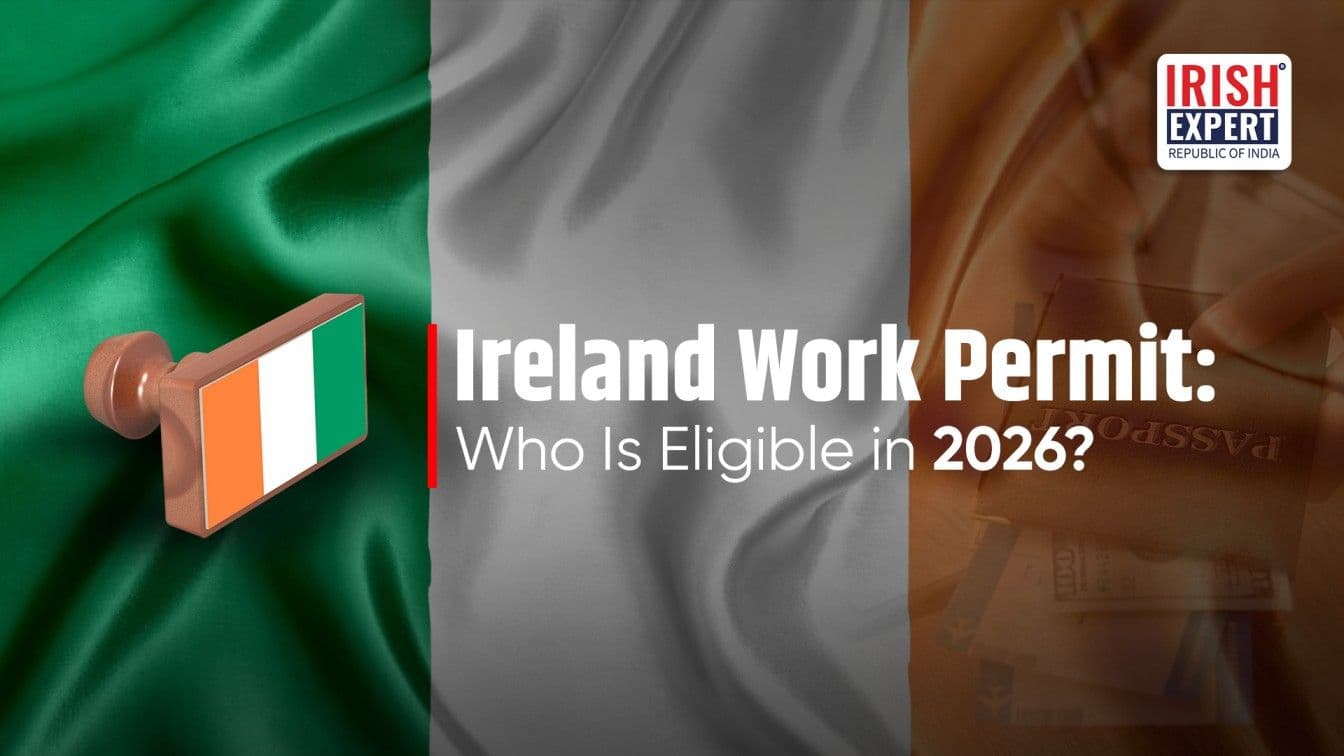
Hey there! If you’re an Indian professional scrolling through your phone somewhere in India and seriously thinking about packing up for Ireland, this piece of information is for you. With buzzing tech hubs in Dublin, a strong pharmaceutical and finance ecosystem, and that welcoming, English-speaking work culture, it’s no surprise that more and more Indians are eyeing career opportunities in Ireland.
But let’s be honest—the rules have shifted slightly. With new salary thresholds coming into effect, understanding Ireland work permit eligibility in 2026 has never been more important. Whether you’re planning to apply this year or early next year, knowing the updated requirements can make or break your application.
Think of this post as a straightforward chat over coffee. Just clear, up-to-date information on who qualifies for an Ireland work permit in 2026, along with practical tips to strengthen your resume and improve your chances of landing a job offer. Let’s break it all down.
Ireland didn’t flip its employment permit system overnight. Instead, the government introduced the first phase of a gradual salary roadmap announced in late 2025. The idea is to balance three things: attracting global talent, ensuring fair wages, and keeping Irish businesses competitive.
From March 1, 2026, through 2030, minimum salary thresholds will increase in phases rather than through sudden jumps. The first increase is just around the corner, so timing and preparation are crucial.
A few important baseline changes to note:
To qualify for an Ireland work permit in 2026, Indian professionals must meet several core requirements:
1. Job Offer Comes First
You almost always need a genuine job offer from an Irish-registered and actively trading employer. Freelance or speculative applications do not qualify.
2. Qualifications and Experience
Your educational qualifications must be relevant to the job role and typically need to be attested or apostilled. While formal English language tests are not always mandatory, strong communication skills are essential for both hiring and visa success.
3. Salary Compliance
The offered salary must meet or exceed the updated 2026 thresholds. There are no exceptions below the minimum limits.
4. The 50:50 Rule
Irish employers cannot have more than 50% non-EEA employees, unless they are startups supported by Enterprise Ireland or the IDA, in which case exemptions may apply.
5. Other Mandatory Documents
Applicants must provide:
6. Visa After Permit
Once the employment permit is approved, you apply for a long-stay D visa through the Irish Embassy or Consulate in India (New Delhi or Mumbai). Typical processing time is 8–12 weeks for the permit, plus additional visa processing time.
7. Family Benefits
Good news for families—minor children of permit holders now enjoy improved work and study rights under Stamp 1G, and these updates remain valid into 2026.
Ireland issues employment permits through the Department of Enterprise, Trade and Employment (DETE). As a non-EEA national, you need both an employment permit and a visa.
While several permit categories exist, two are most relevant for Indian professionals:
Often called the golden ticket, the CSEP is designed for roles in high demand across Ireland.
Eligible occupations include software developers, cybersecurity specialists, nurses, engineers, and certain finance and accounting roles. The biggest advantage? No Labour Market Needs Test—your employer doesn’t need to advertise the role locally first.
2026 Eligibility Snapshot:
Why CSEP Is So Popular:
If you work in tech or healthcare, this is often the smoothest route.
The GEP covers a broader range of occupations but comes with additional steps.
Employers must complete a Labour Market Needs Test, advertising the role for at least 28 days on platforms like Jobs.ie and EURES to show no suitable local or EEA candidate is available.
2026 Updates:
Other permit types exist, such as Intra-Company Transfers for multinational employees, but CSEP and GEP account for the majority of Indian applicants.
Securing a job offer is often the hardest part of the process. That’s where resume marketing for global jobs comes in.
Irish employers value results and skills more than lengthy academic histories. If you’re using a traditional Indian-style CV, it may be time for a revamp.
Key Resume Tips:
Networking also matters. Platforms like LinkedIn and Indeed.ie are crucial for connecting with Irish recruiters. Tailoring your resume for Ireland visa applications can significantly improve your chances of success.
Ireland’s work permit system in 2026 continues to offer immense opportunities for Indian professionals, with updated salary thresholds ensuring fair and competitive pay. By understanding Ireland work permit eligibility in 2026 and preparing strategically—from eligibility checks to resume optimization—you position yourself far ahead of the competition.
Many applicants also choose professional guidance. Services like Irish Expert have helped hundreds of Indians secure Critical Skills and General Employment Permits, often turning rejections into approvals. From resume reviews to end-to-end application support, experienced consultants ensure full compliance with 2026 eligibility guidelines.
If Ireland is on your radar, now is the time to plan smart, act early, and move forward with confidence.